

The 5 Best Delay Pedals for Worship Guitar in 2026
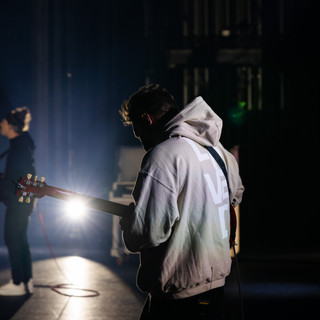
You've got the song in your head. That bouncing dotted eighth line from the record, the one where the guitar part is really just four notes and the delay does everything else.
So you crouch down at your board between rehearsal songs, twist a few knobs, and somehow end up with either a dry plunky nothing or a wash that makes the drummer turn around. I've been there more times than I'd like to admit.
I've had the privilege of touring as a guitarist for artists like Jason Upton, and if reverb is the effect worship players obsess over, delay is the one doing the heavy lifting on most songs. Here are the five delays that keep earning spots on the boards of the artists we work with at SoundShop, plus a few characters that deserve more love, and an honest word for anyone shopping on a budget.
Two Rules Before the List
Worship delay is rhythmic, not wash. The dotted eighth works because the repeats land in the gaps between your picked notes. If you want the math, dotted eighth in milliseconds is 45,000 divided by the BPM, but in practice you just tap tempo or sync to the click and let the pedal do the division.
The second rule took me embarrassingly long to learn: mix high, feedback low. One or two repeats, blended louder than feels safe. Early on I did the exact opposite, because more repeats felt like more atmosphere, and at one soundcheck a very patient engineer described my tone as soup. He was right. High feedback is how you get mud, and mud is the cardinal sin.
Mix high, feedback low. You play half the notes and let the delay play the rest.
One more habit worth stealing: delay goes after your drives and before your reverb, so the repeats wash into the verb instead of fighting it.
1. Strymon TimeLine
Still the standard, and I don't say that out of nostalgia. The TimeLine has been on pro boards since 2011 and has outlived a dozen pedals that were supposed to replace it.
Twelve machines (dTape and dBucket are the ones you'll live in), 200 presets, a looper, and full MIDI so it drops straight into a Morningstar-driven, preset-per-song rig. The common gripe is that the stereo image isn't very customizable, and that's fair. Everything else just works.
Daniel Carson's TimeLine presets are where I point people first. These are the actual patches off his board after 20+ years playing for Chris Tomlin, with notes on which songs he uses them on.
And if you'd rather hear what artist-built presets do before spending a dime, Stephen Thompson's free TimeLine pack is one of the most downloaded things on our store. Fair warning either way: Strymon presets install over MIDI, not drag and drop, so budget ten minutes with Nixie and the tutorial video.
If you only ever own one delay, this is the one.
2. Meris LVX
The LVX is the MercuryX philosophy applied to delay. Instead of handing you twelve finished sounds, it hands you the building blocks: modular routing, micropitch, processing on the repeats themselves. Sounds come out of this box that don't exist anywhere else.
The learning curve is real. Step one for almost every owner is switching out of the stock circular-graphic UI, and if menus scare you, that tells you something. If menus excite you, welcome home.
Filipe Michael's LVX presets are honestly the fastest way past the curve. Starting from sounds built by someone who already put in the hours teaches you the architecture faster than the manual will.
3. Empress Echosystem
The quiet one. The Echosystem runs two delay engines at once, which means the classic move of stacking a dotted eighth with a quarter note lives inside one pedal, with almost no menu diving.
The repeats are gorgeous across the board, from pristine digital to characterful tape. The players who own one tend to be quietly evangelical about it, and used prices make it one of the smartest value plays in high-end delay. It's the most underrated pedal on this list and it isn't close.
4. Eventide H9
Let's be precise about what the H9 is, because the internet often isn't: a one-algorithm-at-a-time multi-effects platform, not a dedicated delay. But its delay algorithms come from the TimeFactor side of the family, and Vintage Delay and Tape Echo can hang with anything here.
There's a recurring take on the forums that for bouncy, bright digital repeats Eventide beats everybody, and I get it. The honest fit is a small board where one pedal covers delay this week and pitch or modulation next week, managed from the H9 Control app.
We carry H9 packs from players who gig the thing weekly, and Gideon Boley's H9 Max presets are the place I'd start.
5. Line 6 HX Stomp, and Don't Sleep on the HX One
The HX Stomp is the modern do-everything option: Helix delay models plus amps, reverbs, and the rest, in a box the size of two drive pedals. The workflow is the real selling point. One preset per song, three snapshots for sections, trails intact when you switch.
Then there's the HX One, and this little thing will shock you. One Helix-quality effect at a time, no amp models, sized for a traditional pedalboard. It is not a mini Stomp, and that's exactly why it works: it's the easiest way to put a genuinely pro delay sound on a board you already love.
Michael Pope's HX One bundle is one of our best sellers for a reason. Three volumes that show how much pedal is hiding in that box.
The Vibe Picks
None of these are trying to be your everything box, and that's the appeal. Each one has more personality per knob than anything above.
Strymon El Capistan. Tape echo distilled. Keep Tape Age and Wow & Flutter subtle and it thickens everything you play. Famously happy running into a BigSky.
EHX Deluxe Memory Man. The analog classic. Warm, dark repeats that sit behind your playing instead of competing with it.
Strymon Volante. Drum echo character with multiple playback heads. Repeats that feel alive and slightly unpredictable, in the best way.
Just Starting Out?
You don't need to spend $400 to learn what delay does for your playing. A used Boss DD-5 will absolutely do the trick, and the lineage is legit: Daniel Carson built years of Tomlin-era tones on Boss delays. Tap tempo, dotted eighth, done.
People also ask about the Boss DD-500, and it's a fine pedal: deep, well built, with a loyal following. None of our artists happen to use one, so we can't set you up with sounds for it the way we can for the pedals above. If you own one and love it, you're not missing anything.
The Part That Matters More Than the Pedal
Here's what years around professional worship guitarists taught me: every pedal on this list sounds great. What separates boards that sound like records from boards that sound like gear is the presets and the discipline behind them.
A TimeLine with factory settings sounds decent. The same TimeLine loaded with patches someone refined across hundreds of live rooms and in-ear mixes sounds like a different instrument.
That's the whole idea behind SoundShop. Our artists' presets are starting points, not magic. You'll still tweak for your guitar, your pickups, and your room, and you should. But you're starting from somewhere real.
And once the repeats are landing where they should, something better happens: you stop thinking about the pedal at all. Delay, more than any other effect, teaches you to leave space, and the space you leave is where your playing starts to sound like you instead of like the record.
Go make something beautiful.
Explore the full library of artist-built delay presets at soundshop.co.


